Our Bone to Art Process
We Believe in Keeping You Informed
Transparency is not a marketing strategy for us. It is a commitment.
We know that purchasing bone art raises questions — and those questions deserve honest, detailed answers. This page documents exactly where our materials come from, how we process them, and what standards we hold ourselves to. We encourage you to read it, ask us anything, and hold us accountable.
Ethically Sourced. Always.
Where Our Bones Come From
We source exclusively from FSSAI-licensed facilities. This is non-negotiable. The Food Safety and Standards Authority of India (FSSAI) operates a strict regulatory framework for food processing plants, covering animal welfare, hygiene, and operational standards. Our sourcing partners comply with all of these requirements.
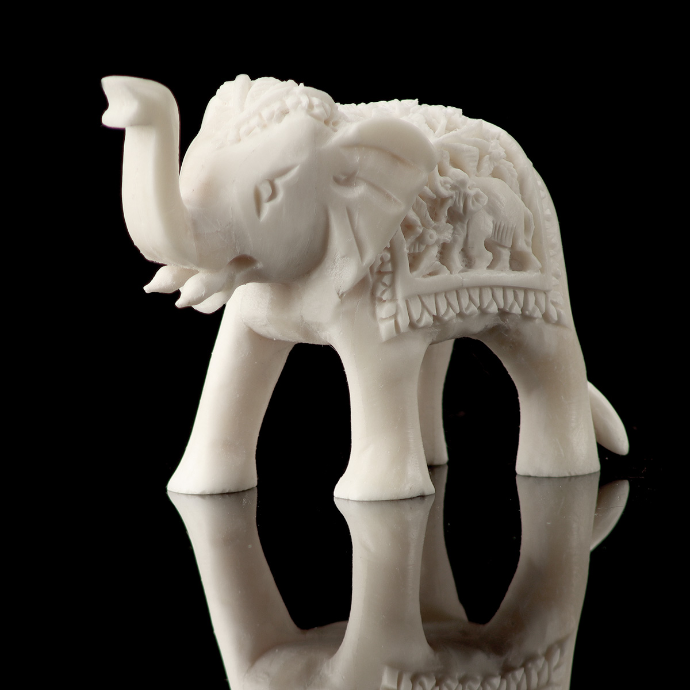
Our Selection Criteria
Our Commitment — No Ivory. No Endangered Animals. Ever.
Carvora Studio is firmly opposed to the use of ivory or bones from any endangered or hunted animal. Our art is built on a principle of harm reduction, not harm. Every material we use is a by-product of legally and ethically operated food systems.
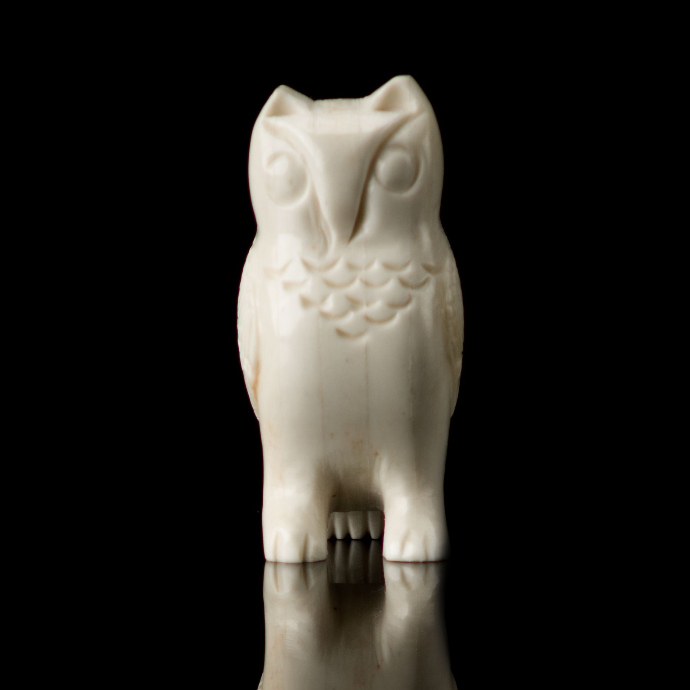
Sterilised to International Standards
Why Sterilisation Matters
Our process follows the standards set out in EU Commission Regulation No. 142/2011, implementing Regulation (EC) No. 1069/2009, which governs health rules for animal by-products not intended for human consumption.
Stage 1 — Initial Cleaning with Sodium Hypochlorite
Sodium Hypochlorite is highly effective against bacteria, fungi, and viruses, with a broad spectrum of antimicrobial activity — as confirmed by the Washington State Department of Health.
Stage 2 — Heat Treatment at 100°C+
Stage 3 — Final Sterilisation with Hydrogen Peroxide
This final stage eliminates any remaining microorganisms — including bacteria, viruses, and fungi — and achieves complete microbial elimination at the surface and within the material.
It is also this stage that produces the luminous white finish that Carvora's collectors have come to love.